01 / The vision
Yawa’s words
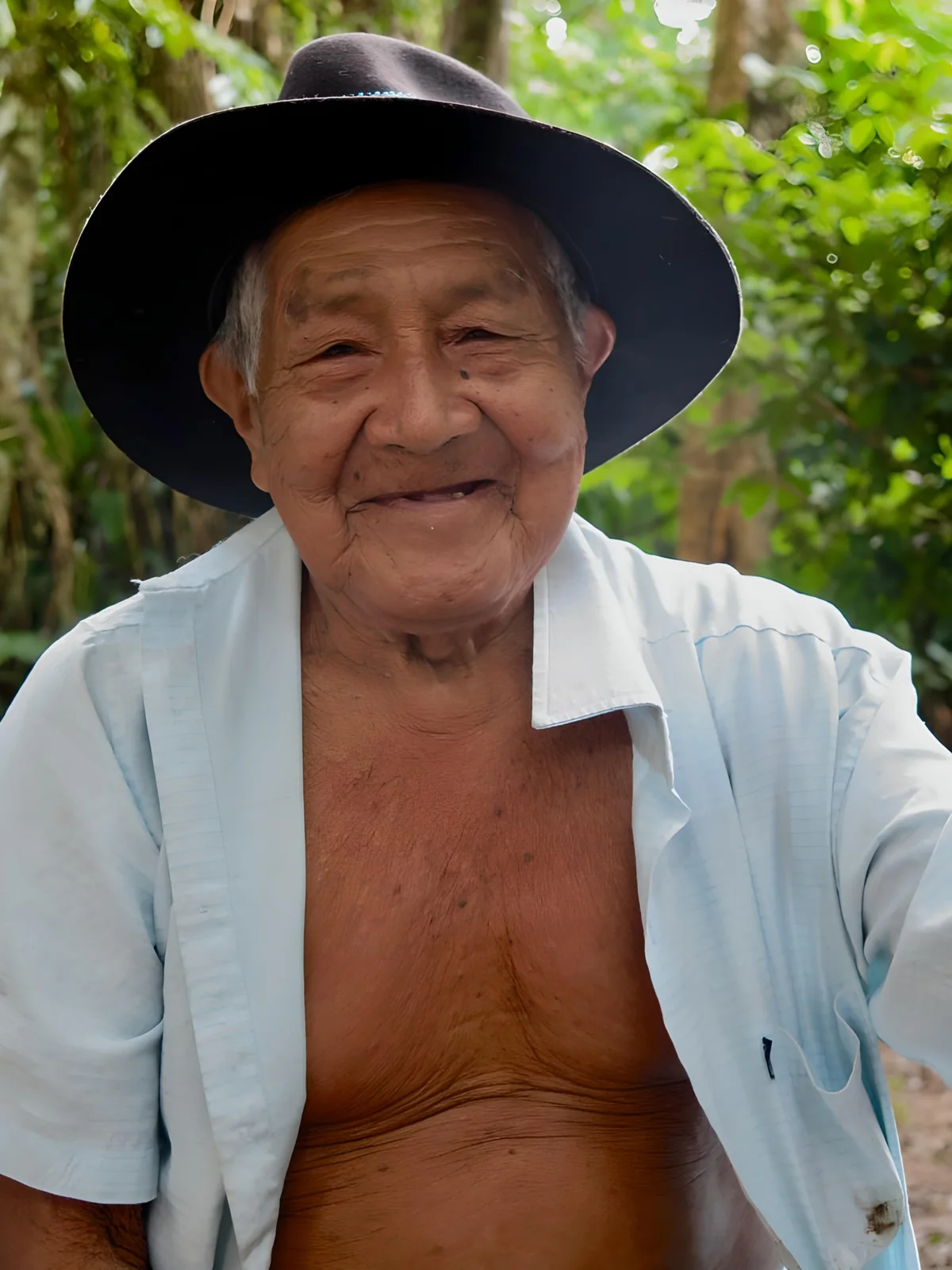
Pajé Yawarani, after whom the village is named, taught the importance of planting abundantly: when everyone has enough to eat, children can grow and play with full bellies.

An annual experience in Yawarani Village · Acre, Brazil
Ten days to plant and learn with the Yawanawá community, share daily life in the village, take part in forest medicine practices, and leave food growing after you return home.
Explore the experience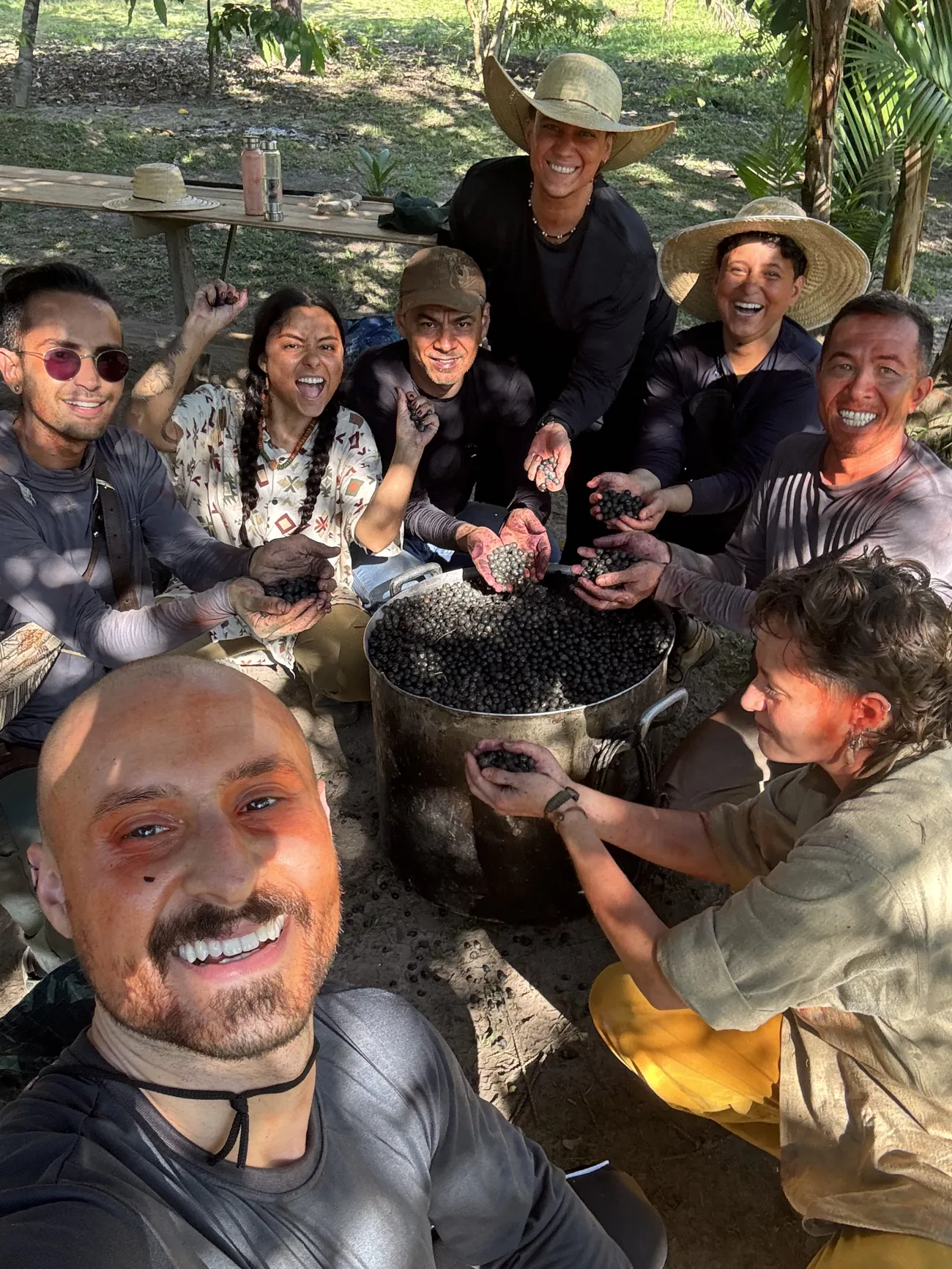
01 / What brings us together
Mayãti Xinã means ‘the thought that fills the belly.’ This work supports Yawarani Village’s desire to grow more food close to home.
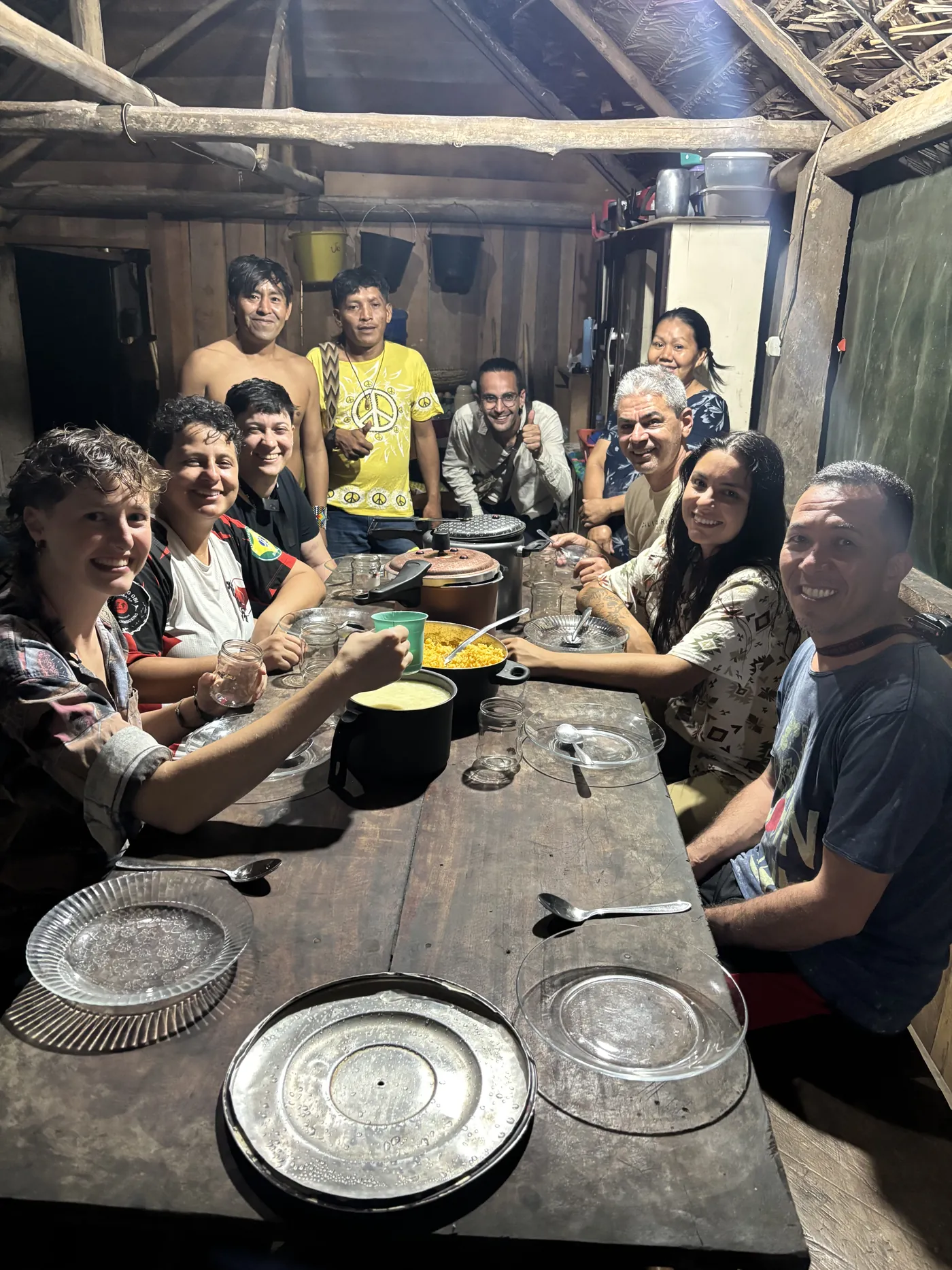
For ten days in September, as the land is prepared for planting, visitors work alongside the Yawanawá community. It is a chance to learn firsthand how food, territory and community life connect.
Beyond planting, the days include freshly harvested açaí, native fruits and conversations with elders. There will also be an introduction to forest medicines, guided by the community on its own terms.
02 / A story that continues
Pajé Yawarani, after whom the village is named, taught the importance of planting abundantly: when everyone has enough to eat, children can grow and play with full bellies.
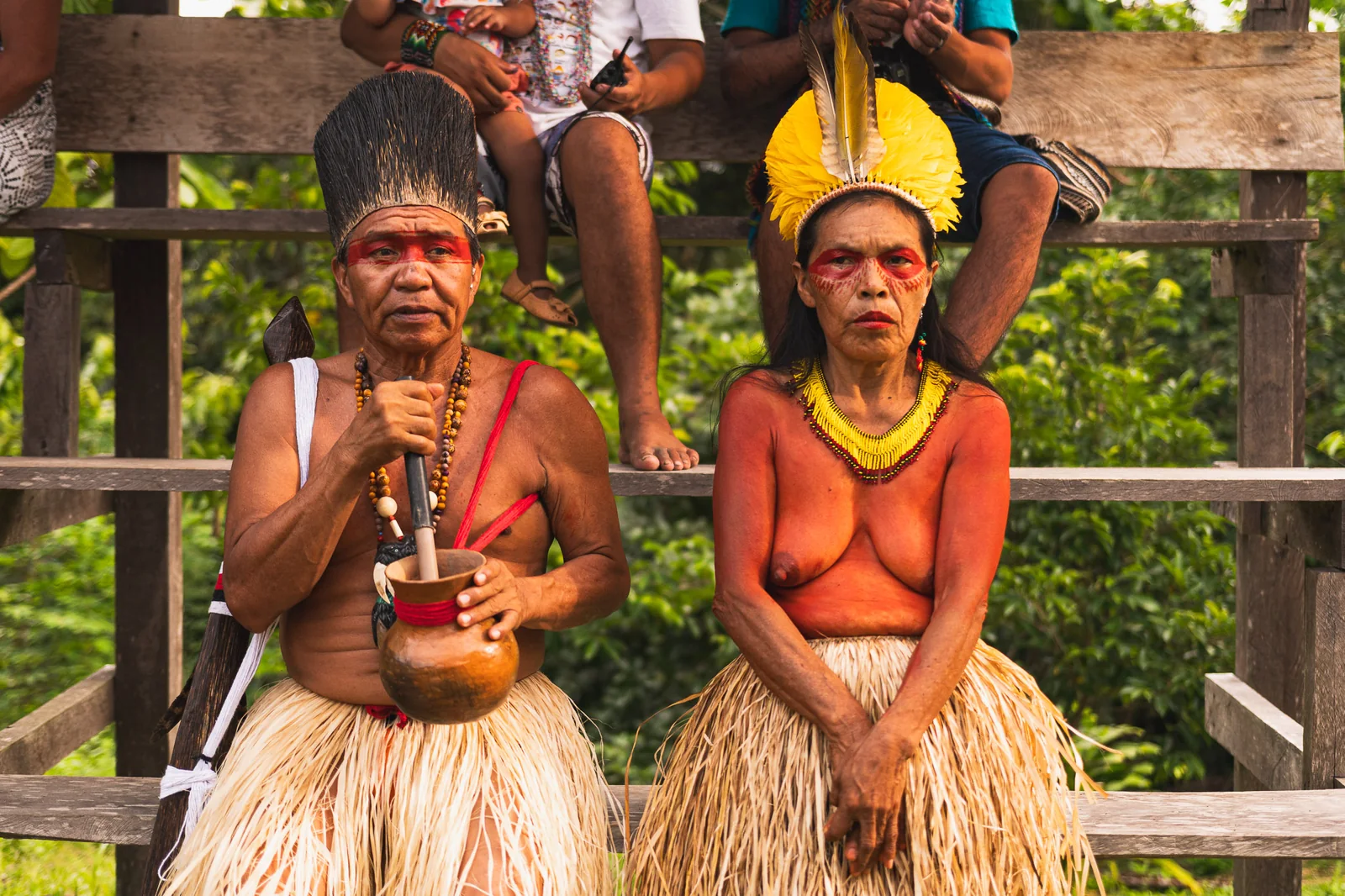
Kate Yuve, known as Pai Nani, learned from Yawa. Together with Sheki Teshcke, the pajé’s daughter, he kept the conversation about planting, food and the future alive and passed it on in their own words.
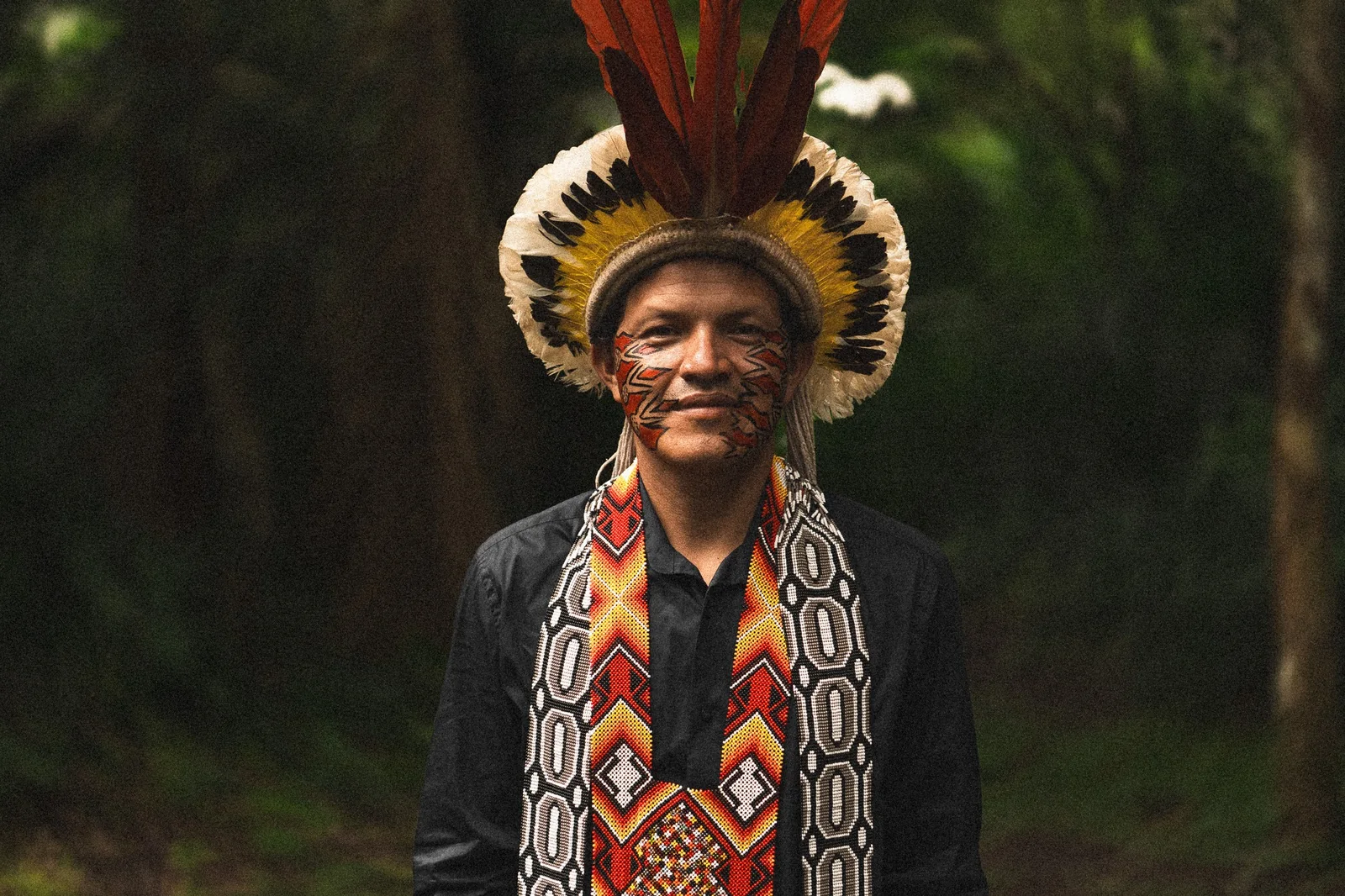
Yawa’s grandson and the village chief, Shaneihu carries this purpose forward with the community. Through the Shaneihu Yawanawá Institute, he invites others to contribute to work already underway there.
03 / Vitor’s arrival
Vitor · Careca das Plantas · Maskuru
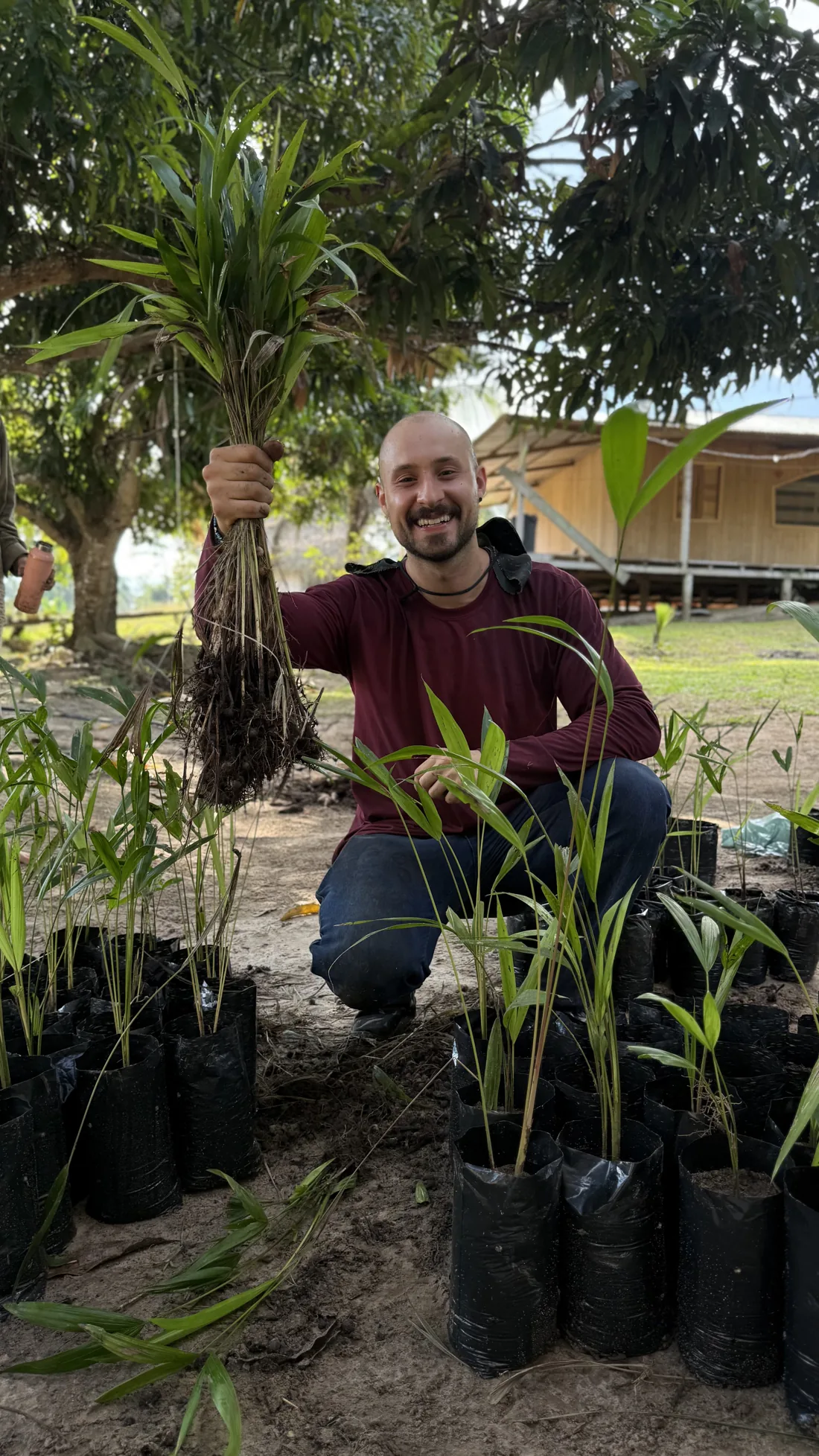
Known online as Careca das Plantas, Vitor creates content about gardening and organic food growing. In the village he received the name Maskuru, a Yawanawá term for a hairless peccary. He encourages people to grow their own food, even in small spaces.
Invited by Shaneihu and Gui, Vitor came to Yawarani on his own to get to know the village and talk about agroforestry planting and food sovereignty. He spent about a month with the family, shared their daily life and helped make a few gardens.
Gui suggested the experience; Vitor stepped up to lead the proposal with Shaneihu’s blessing, while Shaneihu worked with the community to make it possible. In 2026, Vitor returned to Yawarani with a group. This partnership gave rise to the experience we share today.
04 / The work that remains
The experience is one way to support the village’s goal of strengthening local food production.
The aim is to bring contemporary agroforestry practices into conversation with planting traditions the community has practiced for generations.
Each edition is planned with the community around the season, the families involved and what will remain useful after the visitors leave.
Results of the last edition · Shaneihu Yawanawá Institute
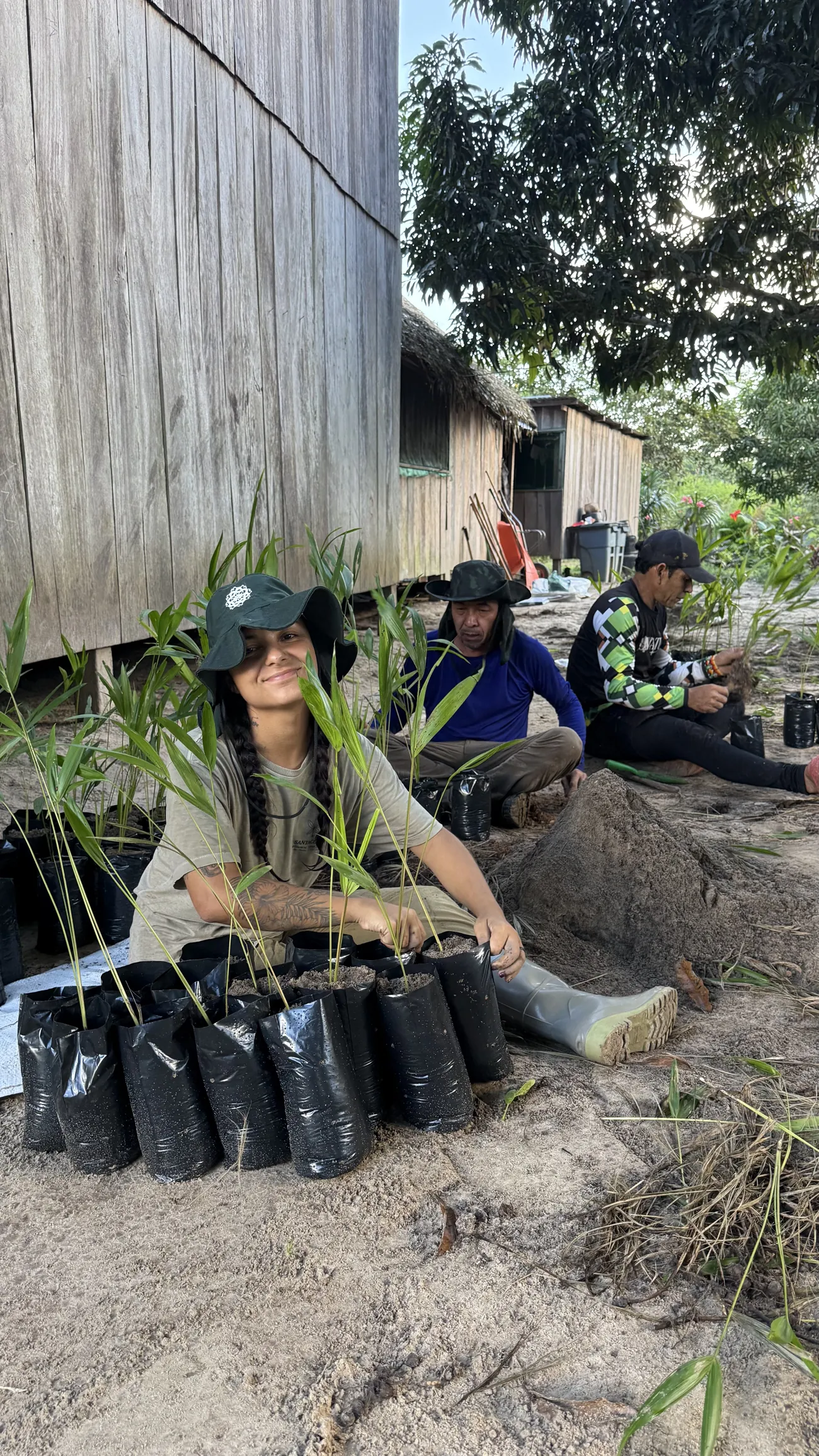
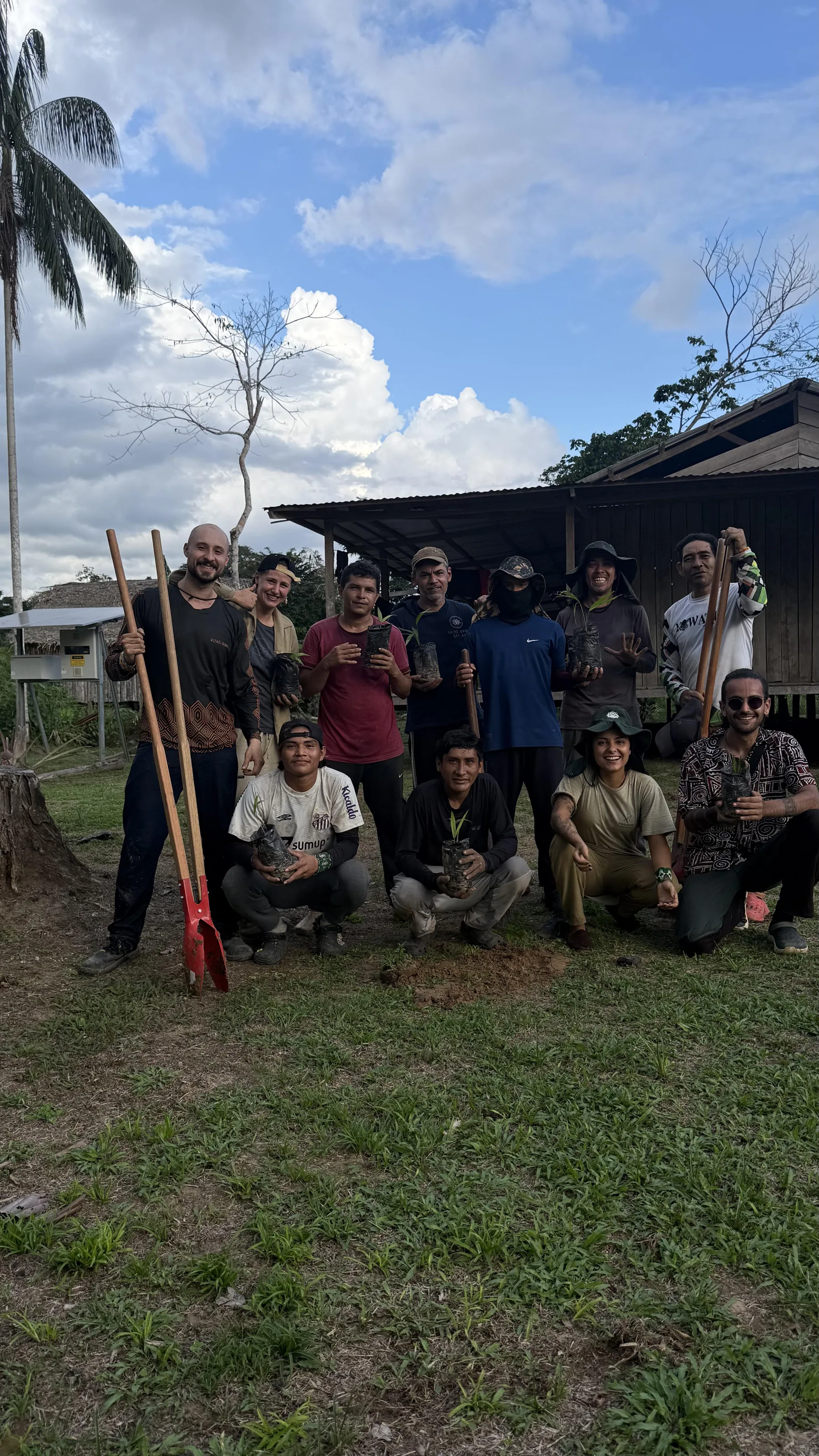
Residents also received two bocas de lobo (soil tools), two hoes, two sieves, seedling bags and bags of painha.
05 / Daily life and culture
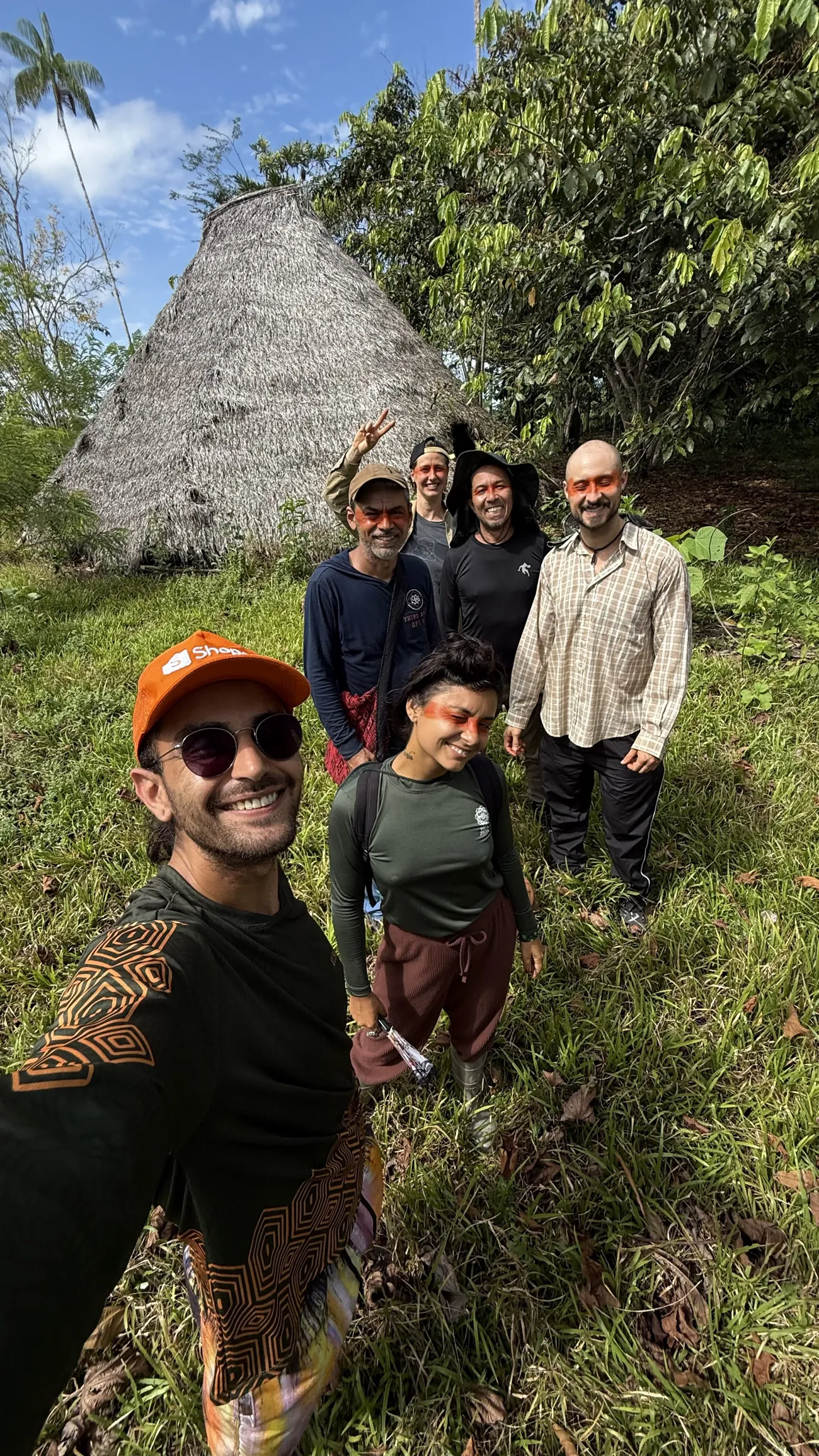
Activities depend on the season and the village’s decisions. Participation in spiritual practices is voluntary and guided individually by those who lead them. Photos and recordings require permission.
06 / Where it happens
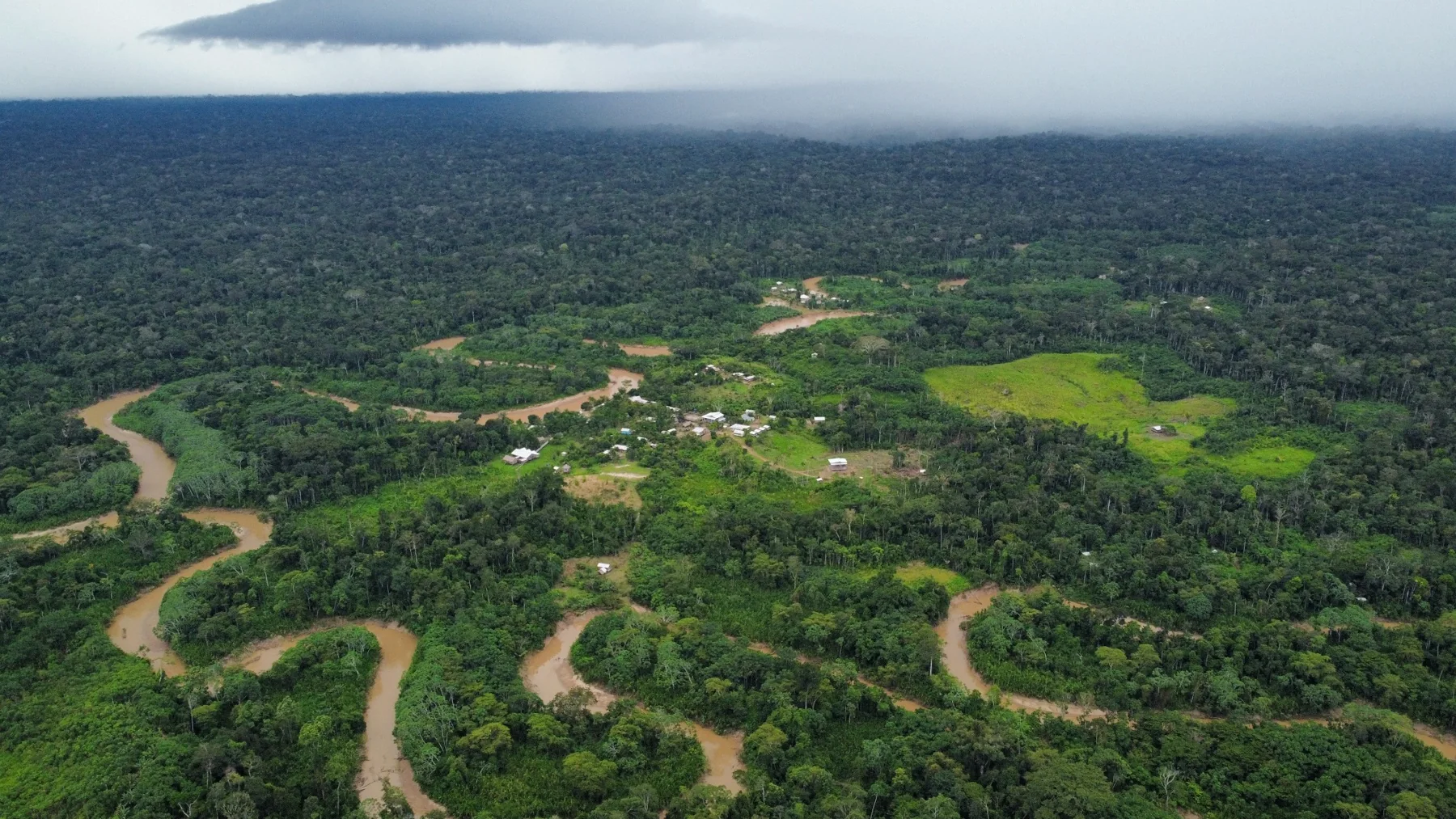
The experience takes place in Yawarani Village, in Yawanawá territory on the Gregório River in Acre, Brazil.
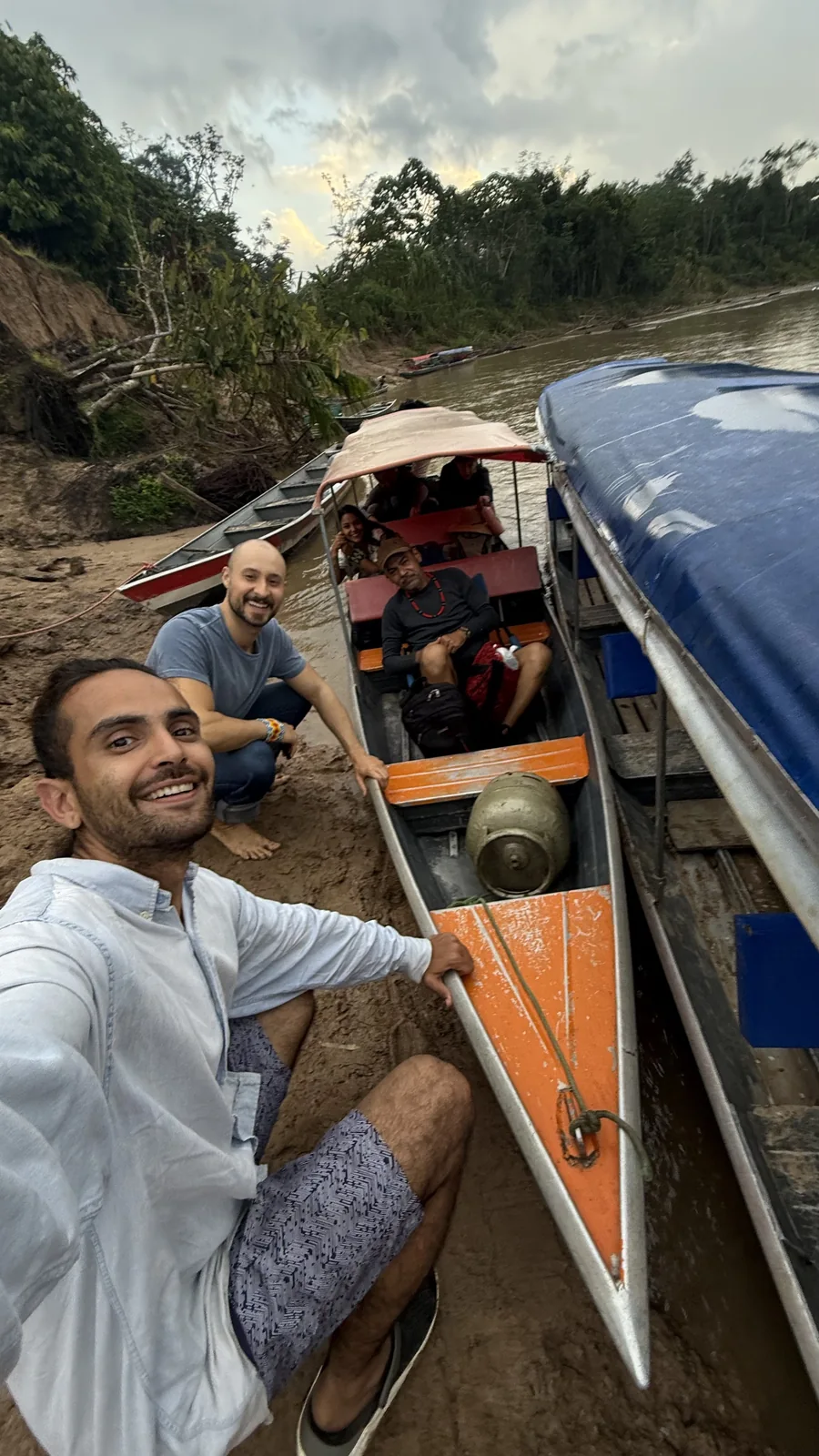
Vitor organizes travel with the group and can meet participants in Rio Branco.
Explore the region on Google Maps ↗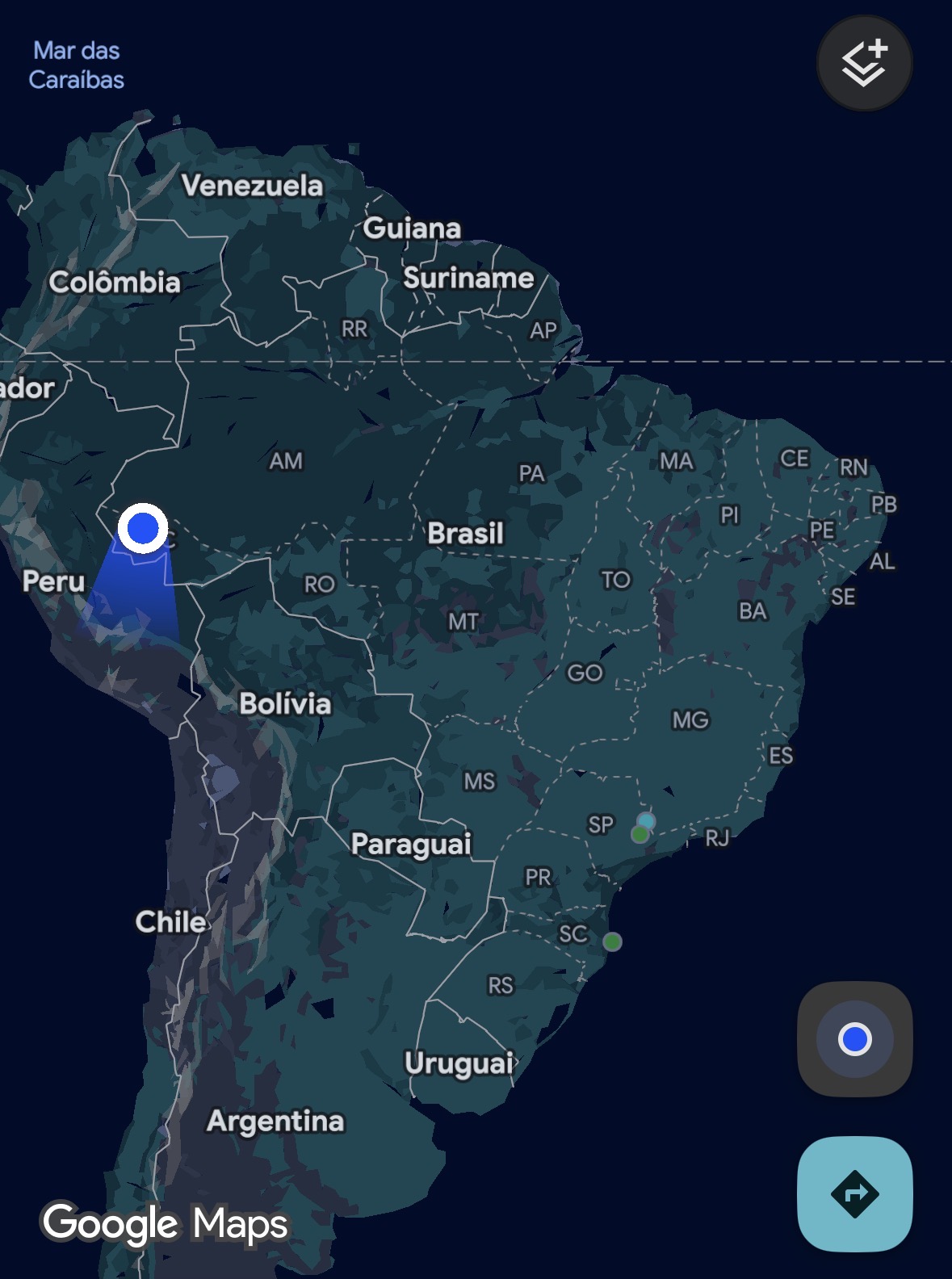
07 / Frequently asked questions
No. There is room for beginners and experienced growers alike. You learn by working with the community.
It is an experience of shared learning and work that supports food cultivation in the village. Participation has a cost to cover operations and arrangements with the community. Pricing and terms are shared before you confirm a place.
The community will lead forest medicine activities, but participation is voluntary and depends on individual guidance and conversation.
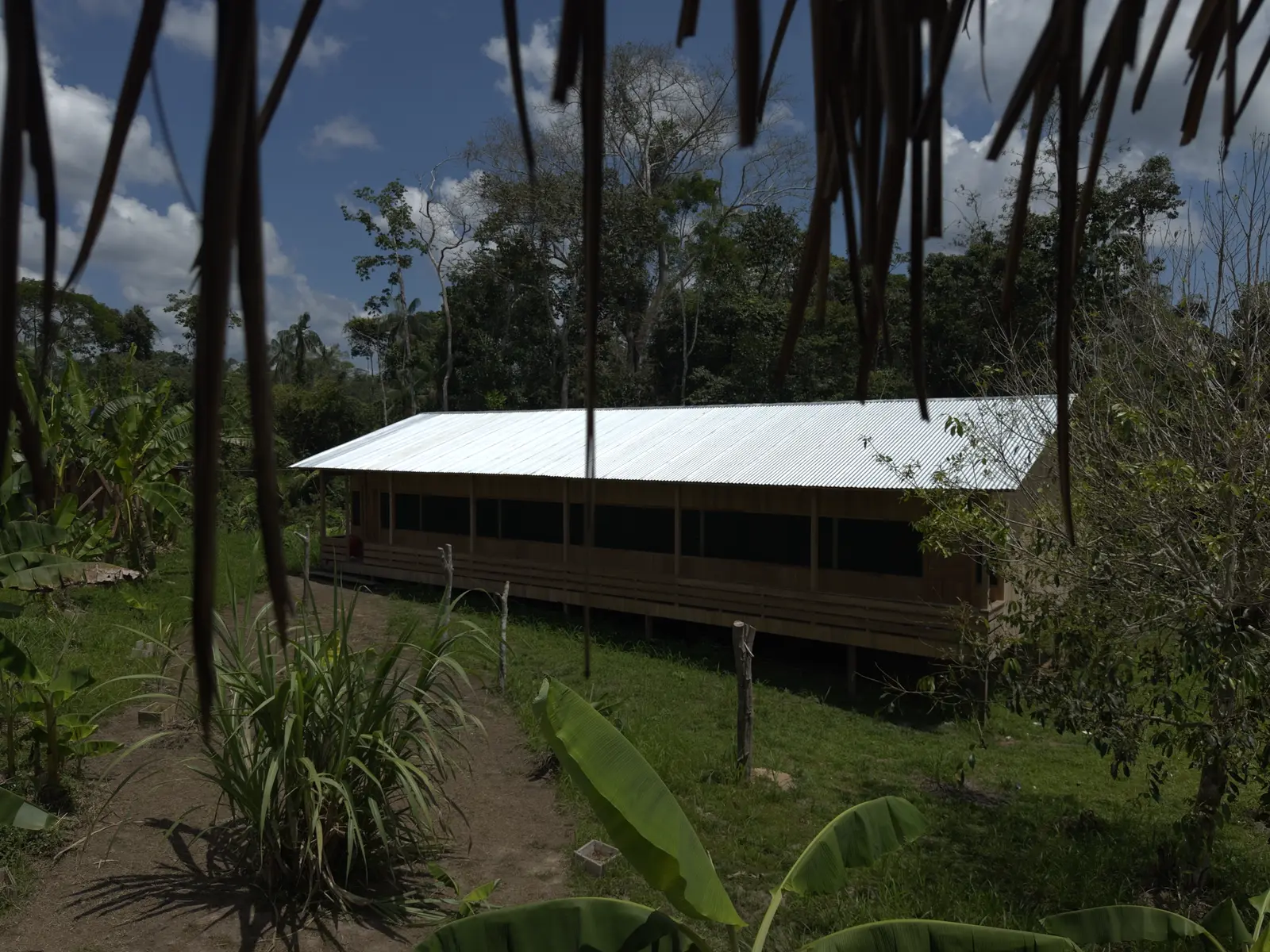
The group stays in a shared hammock lodge with bathrooms and a nearby kitchen. Before travel, you will receive guidance on food, communication and what to bring.
Only with the permission of the people involved and in line with the community’s guidance. Some moments and knowledge should not be recorded or shared.
Interest list · 2027
Tell us a little about yourself. If it feels like a good fit, Vitor will reach out on WhatsApp to talk and arrange a video call.
The estimate appears in the practical details above. Joining the interest list does not reserve a place; the final amount and terms will be confirmed before you decide.